Mold Remediation in Bellevue, WA: Contain It, Remove It, Dry the Cause
Mold remediation in Bellevue, WA starts with a simple fact: growth needs moisture, something organic to feed on, and time, and a Bellevue winter supplies the first in quantity. Our crew finds the growth, seals the area off, removes what's contaminated and, most importantly, deals with the water that started it.
Questions first? (425) 555-0101.
Prefer to talk? (425) 555-0101
Why Bellevue Homes Stay Damp
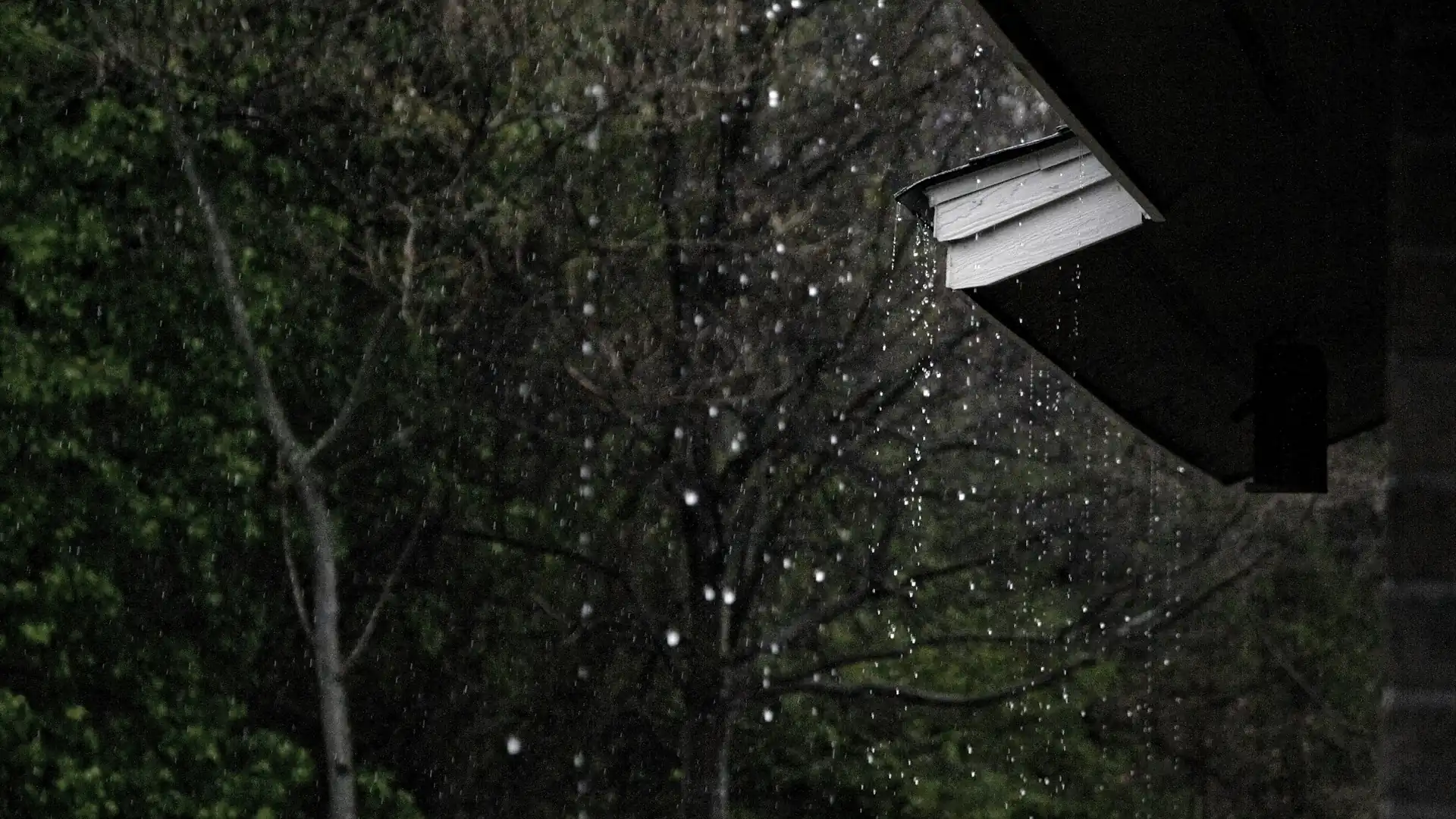
City rain-gauge records put average rainfall from October through April at close to 29 inches, and the gauges at higher elevations collect noticeably more than those near the lake. Months of grey, wet weather keep outdoor air humid, so a house that can't vent or dry itself holds on to every leak. Census figures put the typical Bellevue home's build year at 1982, and many from that era have crawl spaces, bathroom fans that vent into the attic rather than outdoors, or single-pane windows that sweat all winter.
Where We Find It
Below grade
Basements that took on water during a storm, especially where carpet and pad stayed wet for days. Lower walls behind finished drywall are the usual hiding place.
Attics and bathrooms
Roof leaks that drip quietly onto insulation, and bathrooms where steam has nowhere to go.
Condos and shared walls
Roughly four in ten Bellevue housing units are in buildings of five or more units. A slow leak from the unit above can feed growth in a ceiling cavity long before a stain appears.
Our Remediation Steps
- Assess. Moisture readings and a visual inspection tell us how far the problem reaches. We don't guess at hidden areas; we open them if the readings point there.
- Contain. Plastic sheeting and negative air pressure keep spores from spreading to clean rooms while we work.
- Remove. Porous materials with growth, such as drywall, insulation and carpet pad, are cut out and bagged. Solid wood framing is cleaned and treated.
- Dry. Dehumidifiers bring the affected area down to normal moisture levels before anything is closed up.
- Rebuild. New drywall, paint and trim once readings confirm the space is dry.
Keeping It From Coming Back
Run bathroom fans that vent outside, keep gutters and downspouts clear, and check under sinks a couple of times each winter. If the growth came from a flooded basement, our basement flooding cleanup page explains how to cut the risk of a repeat. For any other leak or flood, start with our Bellevue crew's water damage services.
Frequently asked questions
Is a musty smell enough reason to book a visit?
Yes. A persistent smell usually means moisture somewhere you can't see, and finding that early keeps the job smaller.
Can I just spray bleach on it?
On a hard, non-porous surface a small spot can be cleaned. On drywall or wood, surface cleaning leaves roots behind and the stain returns.
Do you test the air?
Our focus is finding and fixing moisture and removing growth. If you want lab air sampling, we can work alongside an independent tester you choose.